Dyshidrotic eczema, also known as pompholyx, is a chronic skin condition that often flares up in spring. Though it cannot be cured, it is manageable with the right care. This form of eczema is characterized by tiny, itchy blisters on the hands, feet, or both, and affects millions each year—particularly children under five.
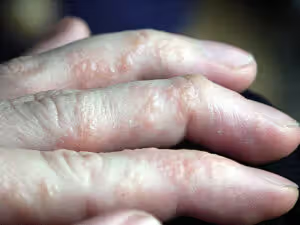
What Is Dyshidrotic Eczema?
Dyshidrotic eczema is a type of eczema that presents as small, fluid-filled blisters, typically on the edges of fingers, palms, soles, or toes. These blisters are intensely itchy and may cause discomfort, peeling, or cracking once they dry out. The condition is not contagious, but it can recur throughout a person’s life.
Depending on where it appears, it is referred to by different names:
- Cheiropompholyx (hands)
- Podopompholyx (feet)
- Cheiropodopompholyx (hands and feet)

Symptoms and Seasonal Triggers
Symptoms of dyshidrotic eczema include:
- Tiny, itchy blisters
- Red, swollen, or inflamed skin
- Burning or tingling sensations
- Crusty or flaky skin as blisters heal
Springtime is a common trigger for flare-ups due to increased allergens, humidity, and seasonal stress. Other common triggers include:
- Contact with certain metals like nickel or cobalt
- Excessive sweating
- Emotional stress
- Genetics or family history of eczema
Who Is Affected?
Eczema, in general, affects an estimated 35 million Americans, with up to 70% of cases occurring in children under five. While anyone can develop dyshidrotic eczema, those with a history of allergies or other types of eczema are more prone to it.
Can Dyshidrotic Eczema Be Cured?
While there is no permanent cure, symptoms can be controlled with proper skin care and medical treatment. Dermatologists often recommend:
- Topical corticosteroids for inflammation
- Moisturizing creams to maintain skin barrier
- Antihistamines to reduce itching
- Cold compresses for soothing relief
Lifestyle adjustments, such as avoiding triggers and keeping skin dry, can help prevent recurrences.
Conclusion: Managing Dyshidrotic Eczema Long-Term
Dyshidrotic eczema is a lifelong condition, but with the right management, individuals can lead comfortable, itch-free lives. Understanding your personal triggers and maintaining a skin care routine are key to controlling flare-ups—especially during seasonal changes like spring.