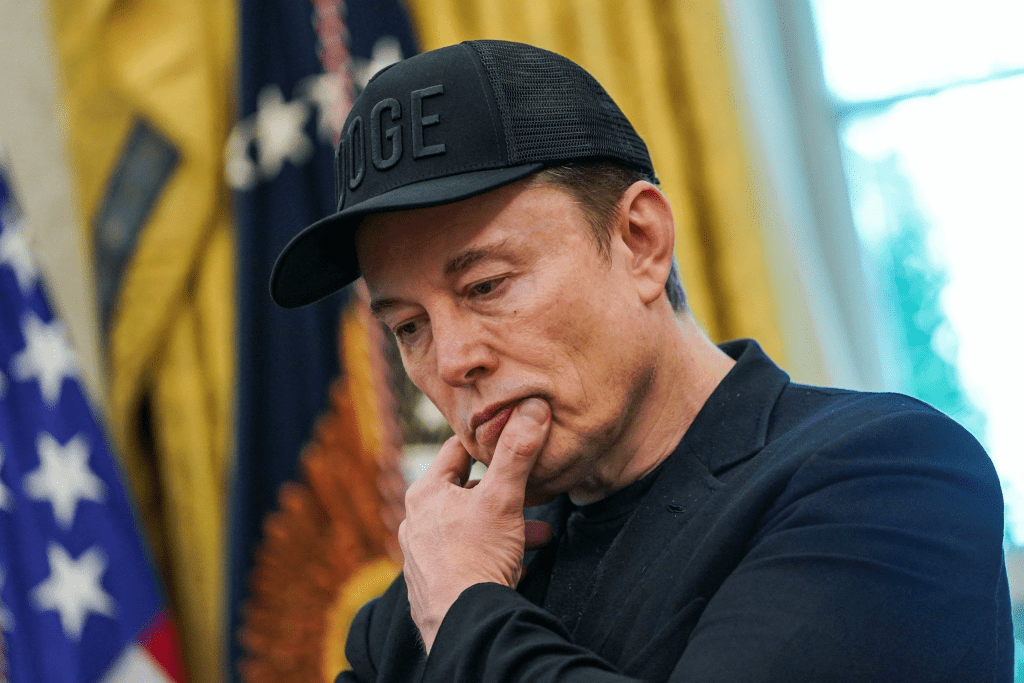
Elon Musk, the billionaire CEO of Tesla, SpaceX, and several other high-profile companies, has long been a figure of both admiration and controversy. While his business ventures have revolutionized industries from electric vehicles to space exploration, Musk’s approach to leadership and ethics is often equally divisive.
One of the key qualities that sets Musk apart is his unflinching commitment to his moral values, regardless of the public’s perception or the backlash he might face. This commitment is not only a hallmark of his leadership style but also a defining characteristic that has shaped both his success and his controversies.
Musk has consistently emphasized the importance of staying true to his ethical principles, even when they go against popular opinion. His philosophy is rooted in the idea that doing what is right, rather than seeking approval or concern for his public image, is paramount.
In a particularly poignant statement, Musk said, “If I die knowing I did what was right or tried my best to do what was right, even if history writes that I was wrong, I would still feel at peace.”
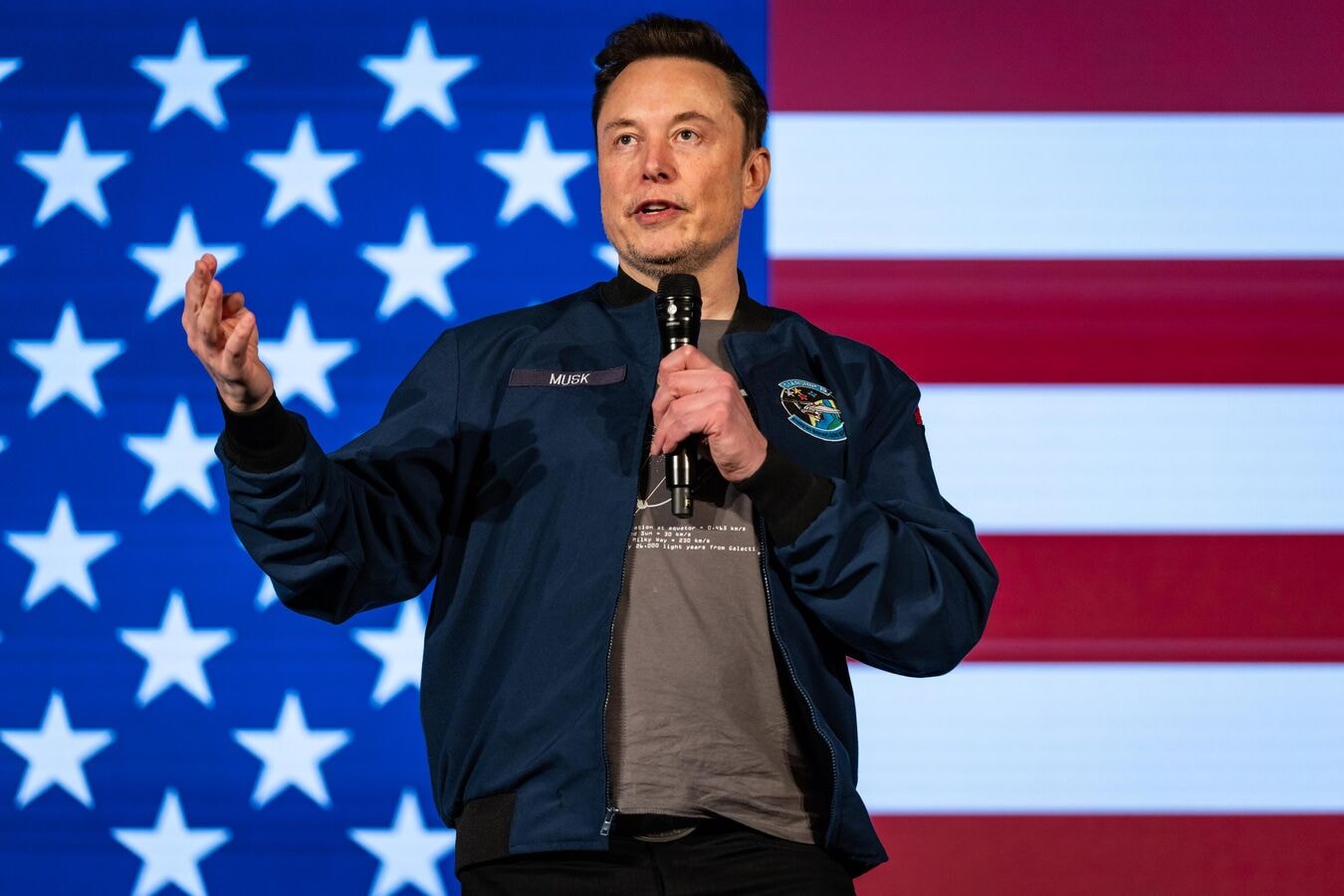
This sentiment reveals a deep commitment to his moral compass, regardless of the external consequences. For Musk, being true to his own beliefs and values seems to be more important than aligning with public expectations or bowing to pressure from external forces.
This approach to life and business has led to both praise and criticism. On one hand, Musk’s strong sense of purpose has allowed him to push forward with ambitious goals that many thought were impossible.
Whether it is his determination to reduce carbon emissions with Tesla’s electric vehicles or his long-term goal of making life multi-planetary with SpaceX, Musk has shown that he is willing to take risks and make sacrifices to achieve these lofty objectives.
His commitment to sustainability, despite the ongoing challenges that Tesla faces, is a testament to his belief in the greater good and his drive to make the world a better place.
On the other hand, Musk’s unwavering commitment to his own principles has also made him a lightning rod for criticism. His controversial remarks, often made on social media, have caused public outrage on several occasions.
Critics argue that Musk’s disregard for public sentiment sometimes leads to reckless decisions that can alienate his supporters or harm the companies he leads. For example, Musk’s frequent outbursts on Twitter have sparked debates on everything from the COVID-19 pandemic to the stock market and political issues.
While some see these remarks as a reflection of his authenticity and willingness to speak his mind, others view them as irresponsible and damaging to his public image and business interests.
Despite these criticisms, Musk continues to defend his right to speak his truth, even when it conflicts with popular opinion. His transparency and authenticity, while polarizing, are seen by many as part of his charm and appeal.
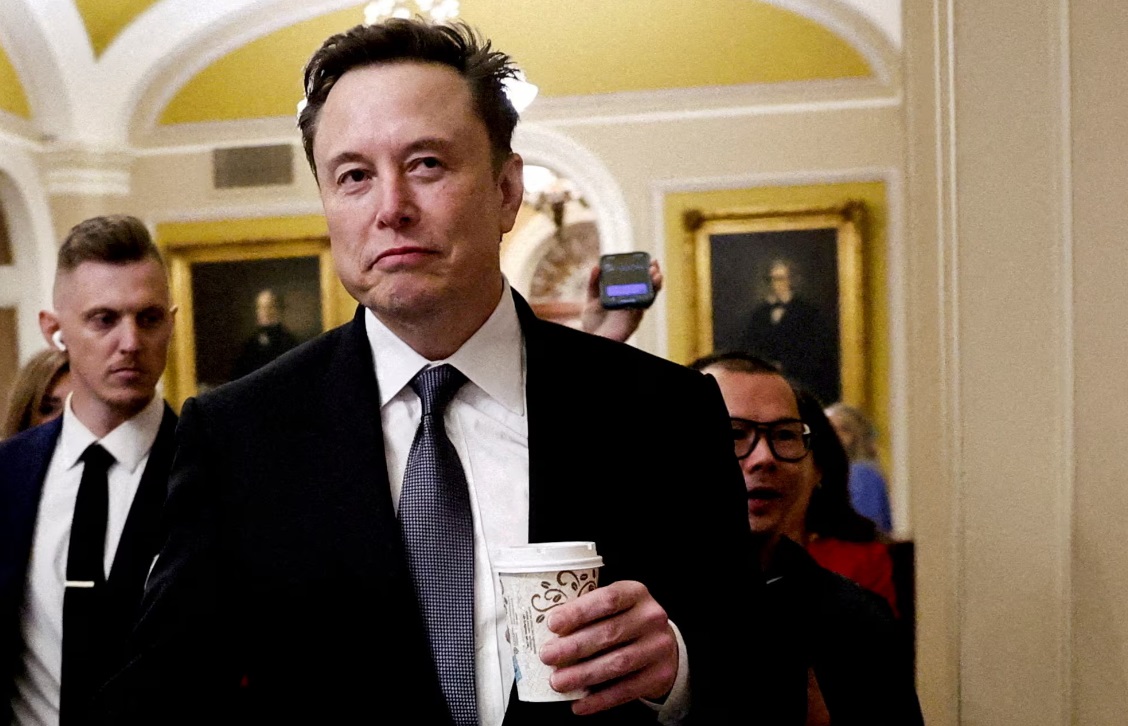
Musk’s approach challenges the conventional wisdom that leaders should always conform to public expectations and avoid controversy at all costs. Instead, he has built a reputation for being unapologetically himself, even if it means making enemies or facing backlash.
In an age where many public figures strive to curate their image and avoid negative press, Musk’s willingness to speak his mind and take risks has made him a unique figure in the business world.
However, this strategy has not come without consequences. Musk’s relationship with certain sectors of the media, government officials, and the public has become increasingly strained as his controversial remarks have often overshadowed his business accomplishments.
His critics argue that his divisive behavior detracts from the larger goals he is trying to achieve. Some have even speculated that Musk’s unrelenting drive to push his vision forward, regardless of the consequences, could eventually lead to a downfall for both him and his companies.